SYNERGY BETWEEN PPNP, UNAND, AND UNP CAMPUS AND INDUSTRY TO DEVELOP HEALTHY AND TRANSPARENT ARABICA COFFEE FROM THE SLOPES OF KERINCI
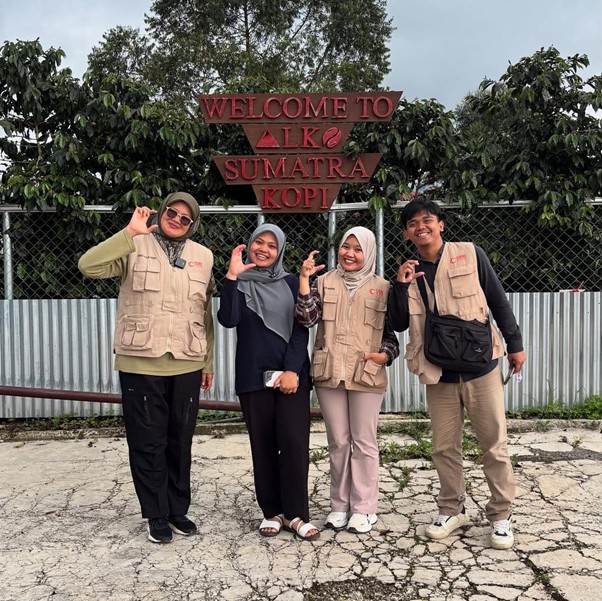
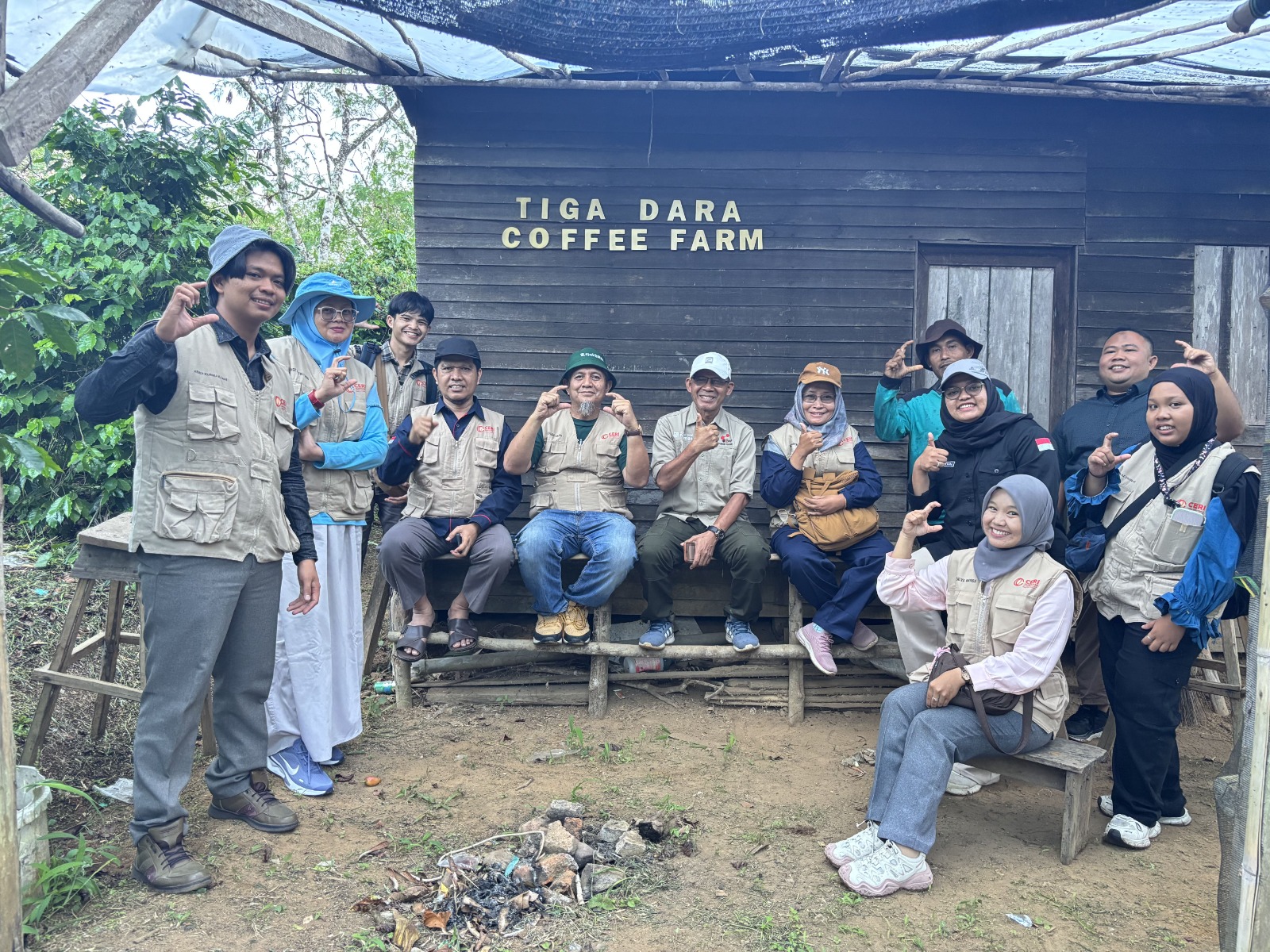
KERINCI - The SINERGI Research Downstream Team of the Politeknik Pertanian Negeri Payakumbuh (PPNP) together with Andalas Universitas Andalas (Unand) and Universitas Negeri Padang (UNP) conducted a scientific visit to the ALKO Sumatra Kopi (ALKO) Cooperative and HT Arabica Coffee in Kerinci Regency, Jambi Province. This activity is part of a research program under the umbrella of the Coffee Education & Research Institute (CERI). This research is a collaboration with PT Pesona Global Multikarya (PGM) and funded by the Ministry of Education, Culture, Research, and Technology (Kemdiktisaintek) in the 2025 Fiscal Year.
This project aims to develop specialty Sumatran Arabica coffee with low acrylamide and high antioxidants through a circular economy approach and blockchain technology. This research is a strategic step in addressing global challenges related to food security, sustainability, and the added value of Indonesian coffee products.
Exploring Innovation from the Slopes of Mount Kerinci
Sumatra is known as one of the leading producers of Arabica coffee with a distinctive and complex flavor, sought after globally for its bright acidity and floral aroma. However, behind its popularity lies concerns about acrylamide, a carcinogenic compound formed during the roasting process.
Through this research, the CERI team is working to develop environmentally friendly post-harvest protocols and a controlled roasting process to suppress acrylamide formation without sacrificing the distinctive flavor of Sumatran coffee. This scientific approach also focuses on enhancing bioactive components and natural antioxidants that are beneficial for health.
The ALKO Cooperative was chosen as the research location because it has long implemented the principles of sustainable agriculture, digital traceability, and the circular economy. Through a blockchain system, the origins of each batch of coffee can be traced from the farm to the consumer, ensuring product transparency and safety, especially for export markets and MSMEs.
ALKO Sumatra Kopi Cooperative has long been known as a pioneer in the development of sustainable and traceable coffee in Indonesia. The collaboration between the ALKO and CERI teams from PPNP tries to strengthen its digital traceability system with the Qhitink platform and integrate the EcoTrace application, a digital innovation developed by PPNP under the auspices of CERI led by Prof. Rince Alfia Fadri with his team Prof. Novizar (UNAND), Prof. Edi Syafri (PPNP), Dr. Mimi Harni (PPNP), Dr. Mulianti (UNP), Rifly Arifansyah, Amd. (PPNP), Sherlya Wanda, S.T.P (PPNP) and Fina Firdiyanti, S.T. (UNEJ), and other field teams.
Innovation and Research Downstreaming
This research carries five innovative pillars in downstream research including:
- Environmentally friendly and transparent post-harvest innovation based on blockchain;
- Identification of value chains and waste audits for the development of low-emission and acrylamide protocols;
- Production of healthy specialty coffee as a superior commodity of Sumatra;
- Product patents and integration into local industries and MSMEs;
- Business plans and replication of industrial models for national and international market expansion.
This research is carried out in two stages where the first year (TKT 7) is focused on technology validation and development of a high-antioxidant Arabica coffee prototype.
"By referring to Qhitink and continuing with EcoTrace recording, we aim to create an honest and beneficial digital footprint for all parties. This system not only records production data but also provides added value for farmers and MSMEs that implement sustainable principles," said the CERI-PPNP team leader.
Towards Healthy and Sustainable Coffee from Sumatra
The final results of this research are expected to produce a healthy, Sumatran-style Arabica coffee with a superior sensory profile and rich antioxidants. This product is expected to become a new flagship commodity from Sumatra, oriented not only toward taste but also toward health, sustainability, and production transparency.
In addition to strengthening Indonesia's position in the global specialty coffee market, this research also supports the achievement of the Sustainable Development Goals (SDGs), specifically: SDG 3: Health and well-being; SDG 9: Industry, innovation, and infrastructure; and SDG 12: Responsible consumption and production.
"From the slopes of Mount Kerinci, we learned that the future of coffee is not just about taste, but about responsibility towards the earth and the next generation," said the Owner of HT Arabica Coffee enthusiastically.
Ministry of Education and Science and Technology's Support for Research Downstreaming
This program is part of the 2025 Ministry of Education and Science and Technology's SINERGI Research Downstreaming funding scheme, which encourages universities to collaborate across institutions to accelerate the utilization of research results in society and industry.
Through this support, the team plans to develop a simple digital traceability platform, EcoTrace, for assisted farmers and provide community-based circular economy assistance in Sumatra's coffee-producing regions.
The Way Forward: Reducing Emissions and Building Trust
The results of this visit will form the basis for developing a sustainable coffee ecosystem model, integrating social, environmental, and technological aspects. The team also plans to continue collaborative research with ALKO and PT PGM to strengthen the coffee value chain from upstream to downstream.
On the occasion, Suryono, CEO of ALKO Sumatra Coffee, conveyed the importance of a scientific approach to strengthen the cooperative's commitment to sustainability and carbon emission reduction throughout the supply chain.
"We have conducted a feasibility study to reduce carbon emissions in the Kerinci coffee supply chain. The results show that implementing a circular economy, energy efficiency, and a digital traceability system can significantly reduce the carbon footprint," said Suryono, CEO of ALKO Sumatra Coffee.
Collaboration with the CERI-PPNP team, and support from platforms like Qhitink and EcoTrace, will help us achieve our target of low-emission, globally competitive coffee production. PT Pesona Global Multikarya, a partner led by Tiara Zul Afifah and its commissioner, Pebriyansah, stated:
"Circular Economy and SDGs: The concept of a circular economy is the foundation of this research. Waste coffee husks, grounds, and treated water are used as organic fertilizer and natural biostimulants, enriching soil fertility and reducing pollution. This system also strengthens farmer welfare through cost-effective production and environmental conservation."
With the spirit of "from research to society," this activity is expected to bridge the academic and industrial worlds, and present innovations that have a direct impact on farmers and the environment.
Related Articles
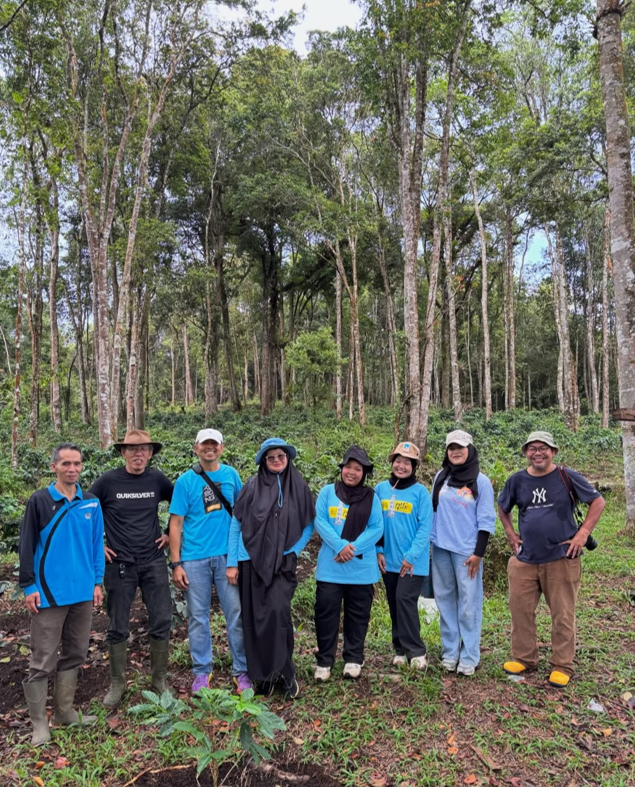
SiNergi Research Team of PPNP and CERI Studies Agroforestry-Based Coffee Development at Beranda Coffee & Roastery
Read More
SiNergi Research Team of PPNP and CERI Visits Lasi Reborn: Young Generation Revives Coffee Cultivation in Nagari Lasi
Read More
SiNergi Research Team of PPNP and CERI Visits Tanmudo Arabica Coffee Estate in Solok Regency, West Sumatra
Read More