Building Transparency in the Sumatran Coffee Supply Chain, SiNergi Team of PPNP Visits PT Penabur Benih Indonesia
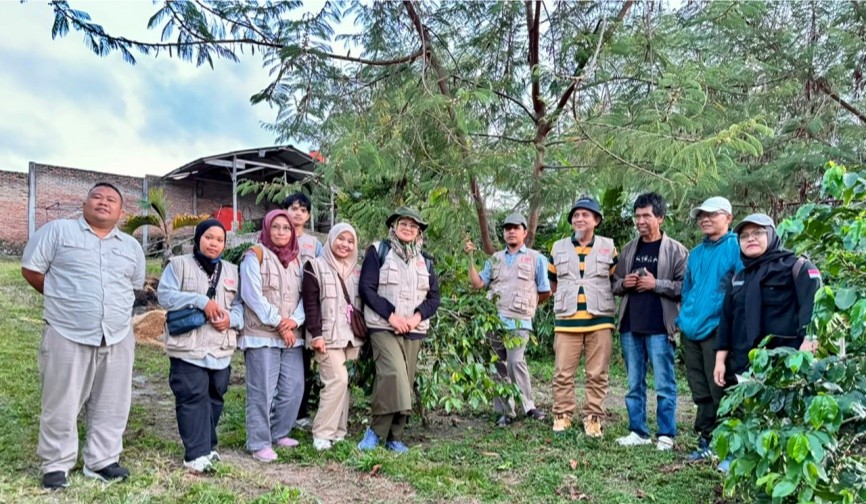
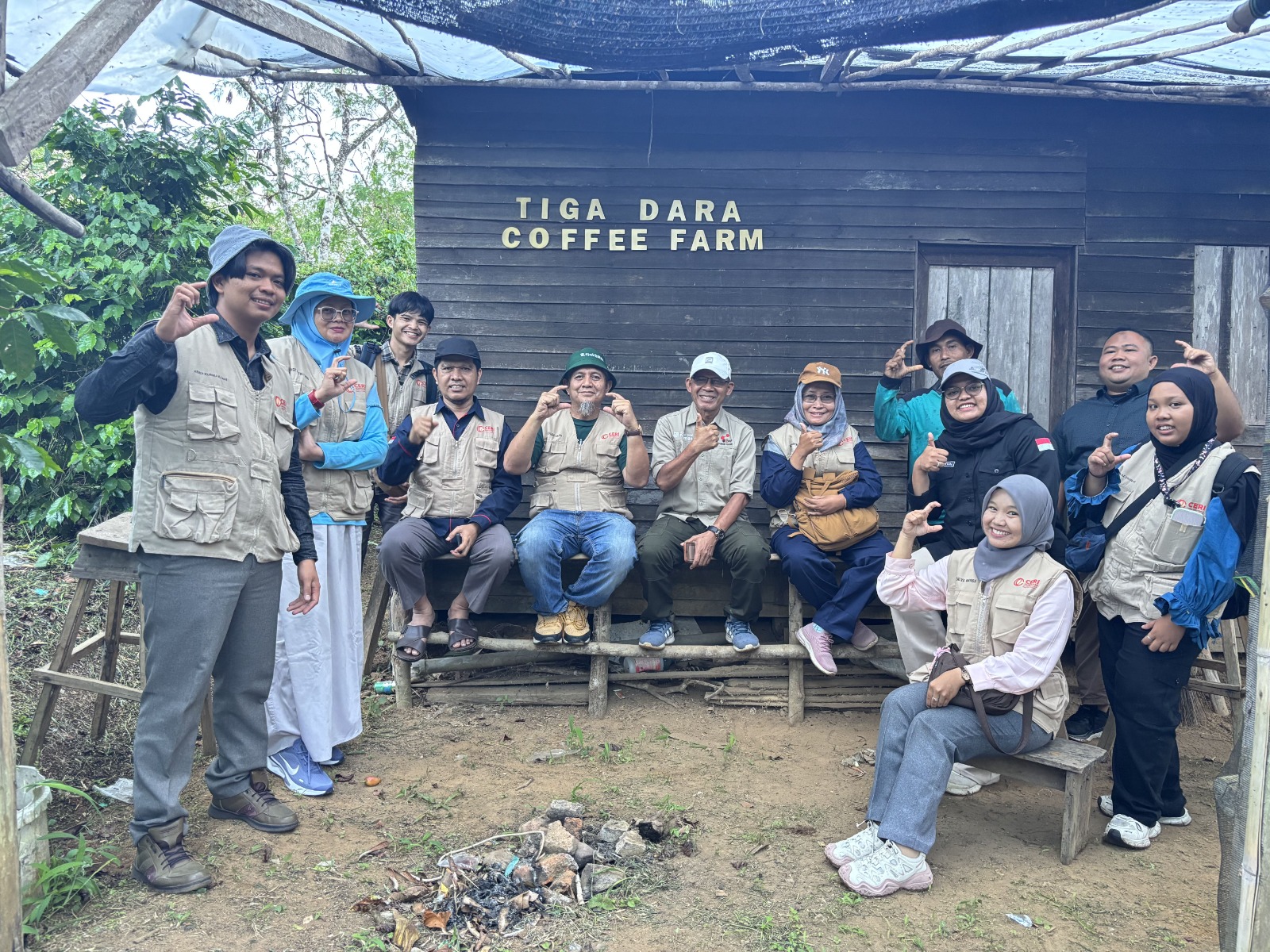
Humbang Hasundutan, June 2, 2026 – The SiNergi Research Team from Payakumbuh State Agricultural Polytechnic, led by Prof. Dr. Rince Alfia Fadri, S.ST., M.Biomed., accompanied by researchers from the Coffee Education Research Institute (CERI), conducted a field visit to the coffee farm of Manat Samosir. This activity was carried out for observation and sampling to support research related to the coffee supply chain traceability system aimed at increasing transparency, food safety, and added value of Indonesian coffee products.
Currently, 911 coffee farmers are members of PT Penabur Benih Indonesia, which operates as a cooperative. Each member manages an average coffee plantation area of approximately half a hectare. Through continuous mentoring, farmers are equipped with knowledge on good coffee cultivation and processing to produce high-quality coffee.
The chairman of the cooperative, Manat Samosir, stated that increasing farmer capacity is one of the main keys to producing coffee that can compete in both national and international markets.
"Every farmer has been given an understanding of good coffee cultivation and processing procedures so that the coffee produced has better quality," he said.
According to Manat, the condition of coffee farmers can currently be said to be increasingly prosperous. One of the factors contributing to this change is the assistance provided by Bank Indonesia to coffee farmers. This assistance encourages improved production quality so that coffee can be sold at a more reasonable price according to market standards.
However, he emphasized that the most important factor is the change in farmers' mindsets, which are increasingly open to learning, innovating, and improving the quality of their businesses.
Implementation of Digital Mapping to Support Certification
The coffee produced by this cooperative is known as Lintong Coffee. To support better plantation management, all member lands have been digitally mapped in the form of closed polygons that function as physical land boundary markers.
This digital mapping has various benefits, ranging from land verification, accurate area calculation, fulfilling sustainability certification requirements such as Rainforest Alliance, to supporting the processing of various necessary business permits.
Direct Export as Farmer Motivation
The coffee production of the cooperative continues to show positive development. In 2021, the cooperative successfully exported six tons of coffee directly to international markets.
According to Manat, direct export holds more value than just a business transaction. This success serves as motivation for farmers to continue improving their production quality.
"When farmers know where their coffee will be taken and consumed, they feel a sense of pride. This motivates them to maintain quality," he said.
International Partnerships and Funding Challenges
The PT Penabur Benih Indonesia Cooperative has also explored collaboration with Louis Dreyfus Company (LDC), a global agribusiness and trading company based in France. Through this partnership, the cooperative received support in developing business systems and operational standards that support sustainable coffee production.
Additionally, in 2025, the cooperative submitted a funding application to the Cooperative and Micro, Small, and Medium Enterprises Revolving Fund Management Agency (LPDB-KUMKM) under the Ministry of Cooperatives of the Republic of Indonesia.
This application was made with the aim of strengthening the cooperative's capital so that all members' harvests could be optimally absorbed by the cooperative. This effort was also accompanied by a patent application to support future business development.
However, based on the assessment results from the relevant agency, the cooperative was deemed not yet eligible to receive funding.
Manat expressed regret over this decision because the cooperative he leads was built with the main purpose of helping farmers without imposing monthly fees on members.
"We want this cooperative to truly be present to help farmers. All activities carried out aim to improve members' welfare and strengthen their position in the coffee supply chain," he said.
Developing Various Coffee Processing Methods
The coffee varieties cultivated by cooperative members include Sigararutang and USDA 762. Meanwhile, the processing methods applied are quite diverse, ranging from natural, semi-washed, full washed, to honey process.
According to Manat, the semi-washed method is one of the most widely applied methods in the Sumatra region. Meanwhile, in several other regions of Indonesia, especially the eastern areas, farmers mostly use the dry processing method or natural process.
The full washed and honey process methods in this cooperative are still produced in limited quantities to meet specific market needs, including the needs of Si Talbak Coffee products.
For full washed processing, the fermentation process is carried out through a single soaking for approximately 12 hours. The local farmers' habit is to pick coffee cherries in the afternoon, then immediately carry out the pulping and fermentation process. The next day, the coffee is immediately dried until the desired moisture content is reached.
Manat added that the quality of raw materials produced by cooperative members is generally already very good, even before further sorting processes are carried out. This is inseparable from the mentoring process that has been carried out for years with the farmers.
"Farmers who are members of the cooperative have understood the importance of good post-harvest handling and coffee processing. Therefore, the quality of the coffee produced is relatively more consistent and meets the standards required by the market," he concluded.
Related Articles
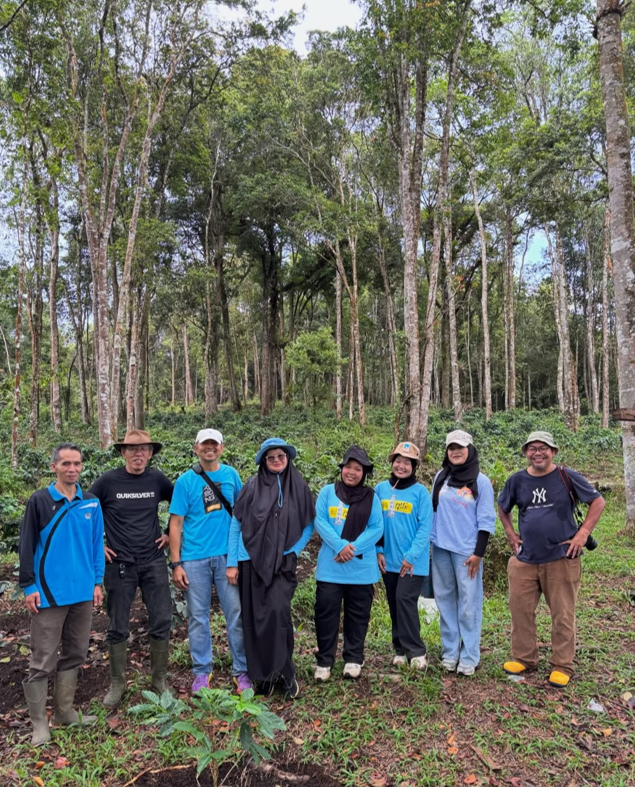
SiNergi Research Team of PPNP and CERI Studies Agroforestry-Based Coffee Development at Beranda Coffee & Roastery
Read More
SiNergi Research Team of PPNP and CERI Visits Lasi Reborn: Young Generation Revives Coffee Cultivation in Nagari Lasi
Read More
SiNergi Research Team of PPNP and CERI Visits Tanmudo Arabica Coffee Estate in Solok Regency, West Sumatra
Read More