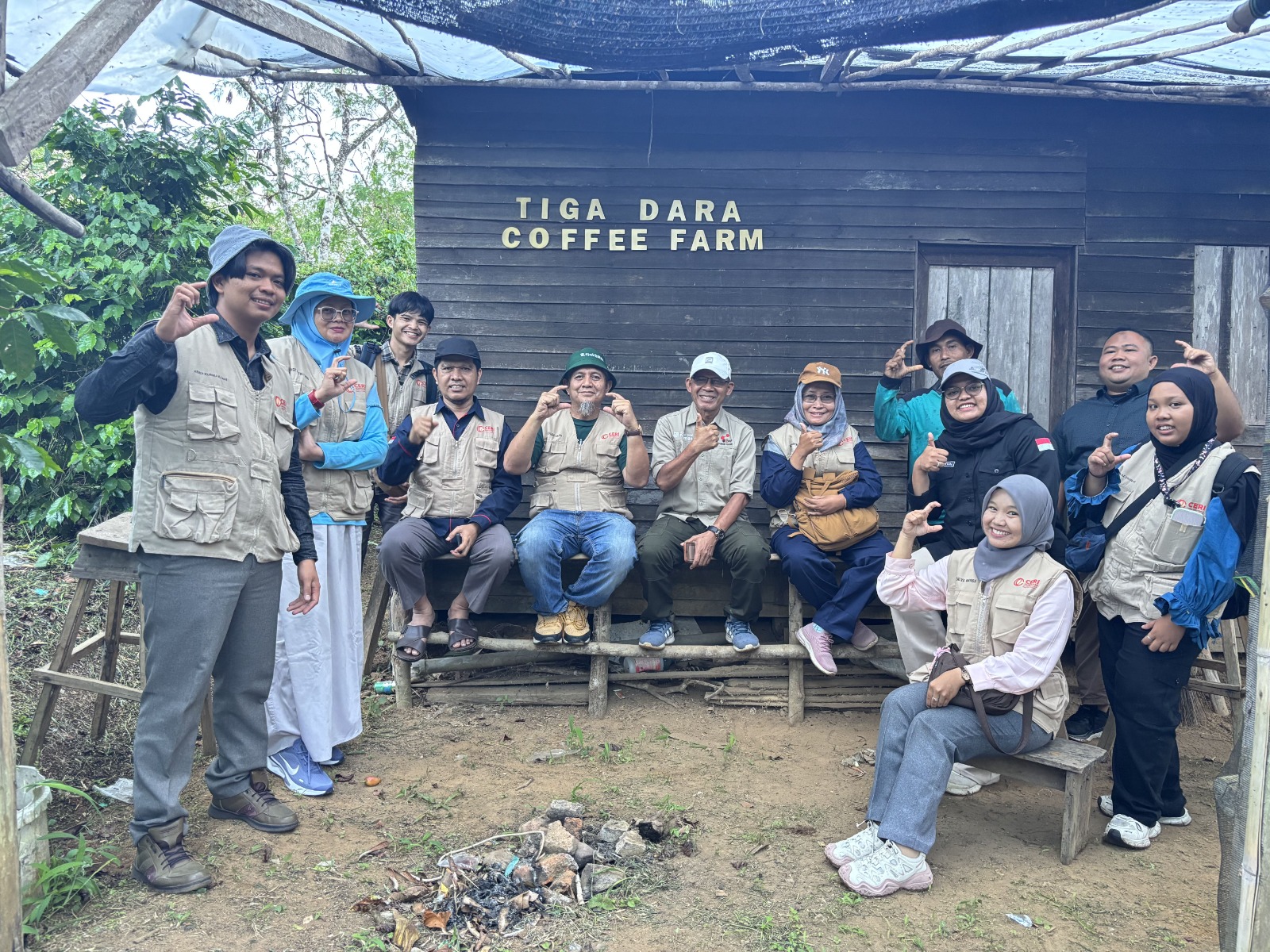
Ladang Langit Coffee Farm: Restoring Forest Function Through Sustainable Organic Coffee Cultivation
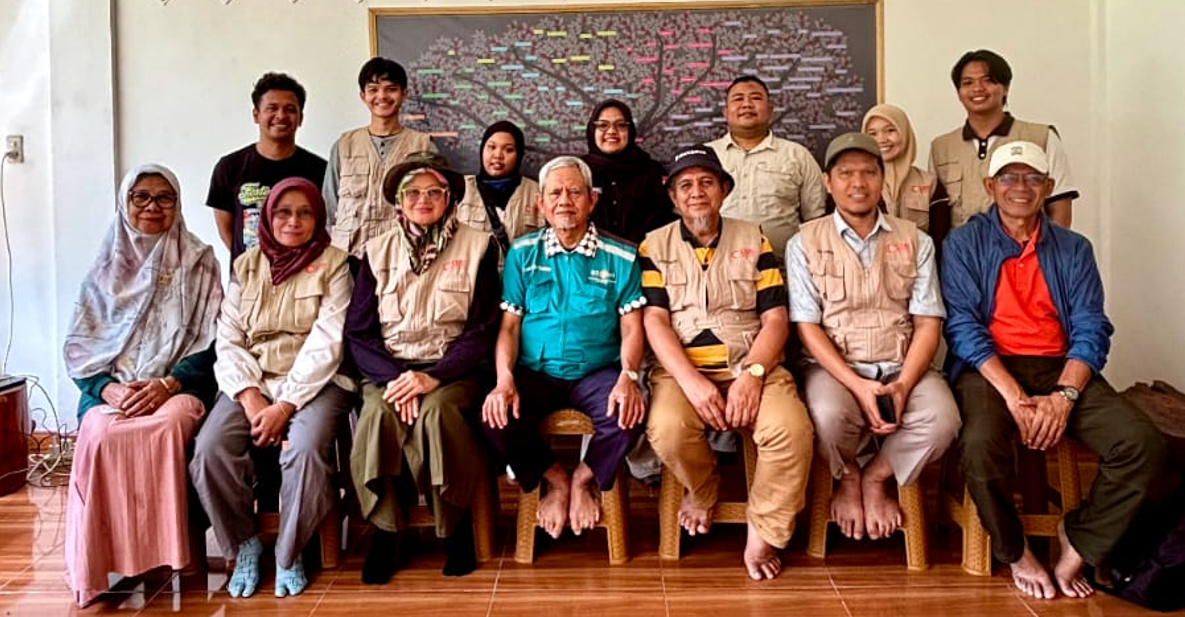
North Tapanuli, June 2, 2026 – The SiNergi research team from Payakumbuh State Agricultural Polytechnic, led by Prof. Dr. Rince Alfia Fadri, S.ST., M.Biomed, accompanied by the research team from the Coffee Education Research Institute (CERI), conducted a field visit for observation and sampling at Ladang Langit Coffee Farm located in Siborongborong District, North Tapanuli Regency, North Sumatra.
During the visit, the team had the opportunity to discuss directly with the farm owner, Surip Mawardi, regarding coffee history, sustainable coffee cultivation practices, and the regenerative agriculture concept applied at Ladang Langit Coffee Farm.
"I cannot restore the forest, but I want to restore the forest's function," said Surip Mawardi when receiving the research team's visit. According to him, forests have important functions for soil conservation, water conservation, and biodiversity conservation. Amidst increasing forest destruction, efforts to restore these ecological functions become a moral calling and a form of environmental responsibility. Aside from providing ecological benefits, this approach also has a positive impact on the quality of the coffee produced.
Discussion on Circular Economy
Ladang Langit Coffee Farm implements a circular economy concept focused on waste minimization and optimal resource utilization. Through this approach, the farm has successfully applied a sustainable organic coffee cultivation system.
To support this system, Ladang Langit Coffee Farm also manages a small-scale livestock farm that serves as a supplier of organic fertilizer raw materials. Livestock manure, such as from cows and horses, is processed into fertilizer, which is then returned to the land as a source of plant nutrients.
Transforming Nutrient-Poor Land into a Productive Organic Farm
Ladang Langit Coffee Farm was established on land that originally had low nutrient content. However, through consistent and sustainable management, the land has been successfully transformed into a fertile and productive organic coffee farm.
One of the initial steps taken was planting lamtoro trees (Leucaena leucocephala) as shade plants for coffee. Lamtoro was chosen because it has various ecological benefits:
- Lamtoro is a favored habitat for geometer moth caterpillars, which in turn become a natural food source for birds. This cycle helps with natural pest control.
- Lamtoro produces biomass and provides nitrogen that benefits the soil. Falling leaves decompose into organic matter and function as natural mulch, gradually helping to improve soil fertility.
Additionally, before coffee seedlings are planted, planting holes measuring approximately 30 centimeters in length and 15 centimeters in width are prepared. These holes are then filled with leaves and various other organic materials.
"The goal is to create natural organic fertilizer that will later become a source of nutrients for the coffee plants," explained Surip Mawardi.
Biodiversity to Maintain Ecosystem Balance
The implementation of biodiversity is also an important part of farm management. In addition to increasing land productivity, plant diversity helps maintain soil health and creates ecosystem balance around the plantation area.
One of the plants cultivated alongside coffee is andaliman (Zanthoxylum acanthopodium), a typical Sumatran plant that has both economic value and ecological benefits.
Double Hedge System for Land Efficiency
Once the soil condition was considered sufficiently fertile, the coffee planting process was carried out using the double hedge system. In this system, coffee plants are planted in a zig-zag pattern so that plant population can be increased without reducing sunlight access.
This method allows for more efficient land utilization while increasing farm productivity. The spacing between coffee trees is approximately 145 centimeters to ensure good air circulation, facilitate maintenance, and optimize plant growth.
One Planting Hole for Two to Three Coffee Stems
One unique practice found at Ladang Langit Coffee Farm is the use of two to three coffee stems in one planting hole. This practice differs from the habit of most coffee farmers, who generally plant one stem per planting hole.
"With two or three coffee stems in one planting hole, production can increase and harvest yields become more optimal. However, each stem is maintained at different heights, ranging from 10 to 15 centimeters, so that each plant receives maximum sunlight," explained Surip Mawardi.
According to him, the difference in plant height helps reduce competition between plants and improves sunlight capture efficiency.
Utilizing Weeds as Natural Mulch
At Ladang Langit Coffee Farm, weeds are not entirely considered nuisance plants. Weeds growing around the farm are utilized as ground cover or natural mulch.
This utilization helps maintain soil moisture, stabilize soil temperature, reduce erosion, and suppress the growth of new weeds. This approach is an example of modern agriculture that remains aligned with ecological principles.
On that occasion, Surip Mawardi also advised that land clearing for plantations should be carried out by applying regenerative agriculture principles.
"Regenerative agriculture aims to restore and improve soil health, maintain biodiversity, and naturally improve the water cycle," he said.
The Importance of Traceability in the Coffee Industry
In addition to cultivation practices, the traceability aspect is also an important concern in the modern coffee industry. For consumers, information regarding coffee origin, cultivation, harvesting, and post-harvest processes is an important part of ensuring the safety and quality of the products they consume.
In this regard, Ecotrace plays a role in systematically documenting the entire coffee supply chain. Through integrated recording, consumers can find out the origin of the coffee they consume and the processes it goes through from the farm to the customer.
These efforts not only increase transparency but also become an important step in building consumer trust in sustainably produced Indonesian coffee.
Related Articles
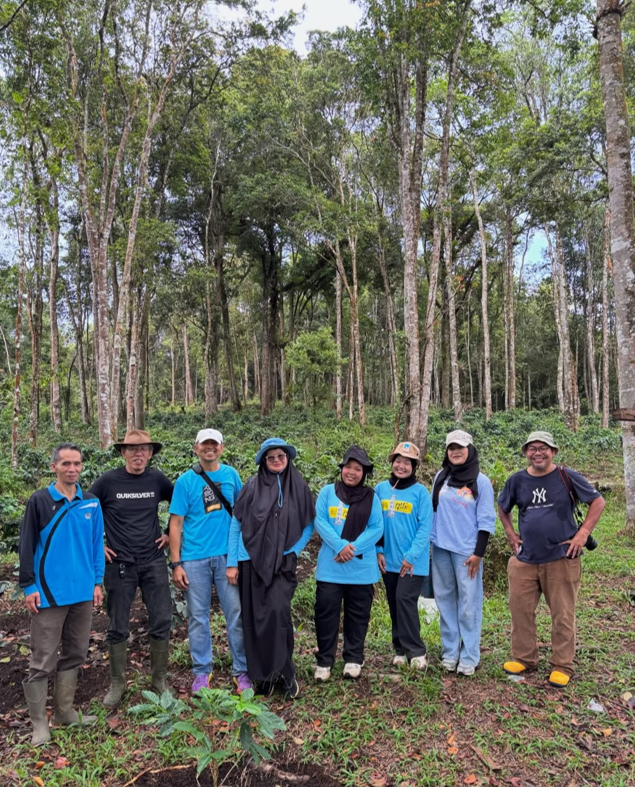
SiNergi Research Team of PPNP and CERI Studies Agroforestry-Based Coffee Development at Beranda Coffee & Roastery
Read More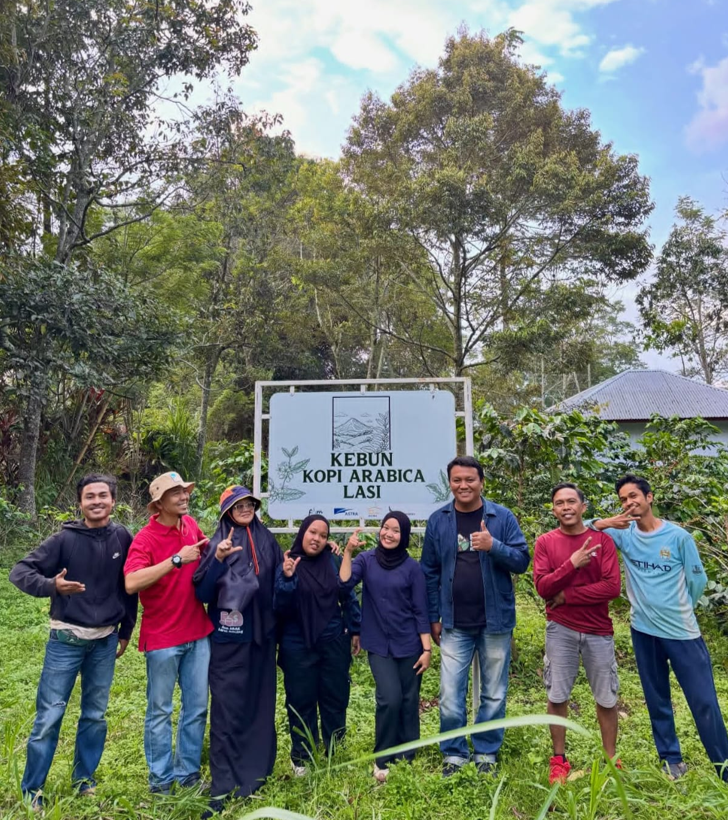
SiNergi Research Team of PPNP and CERI Visits Lasi Reborn: Young Generation Revives Coffee Cultivation in Nagari Lasi
Read More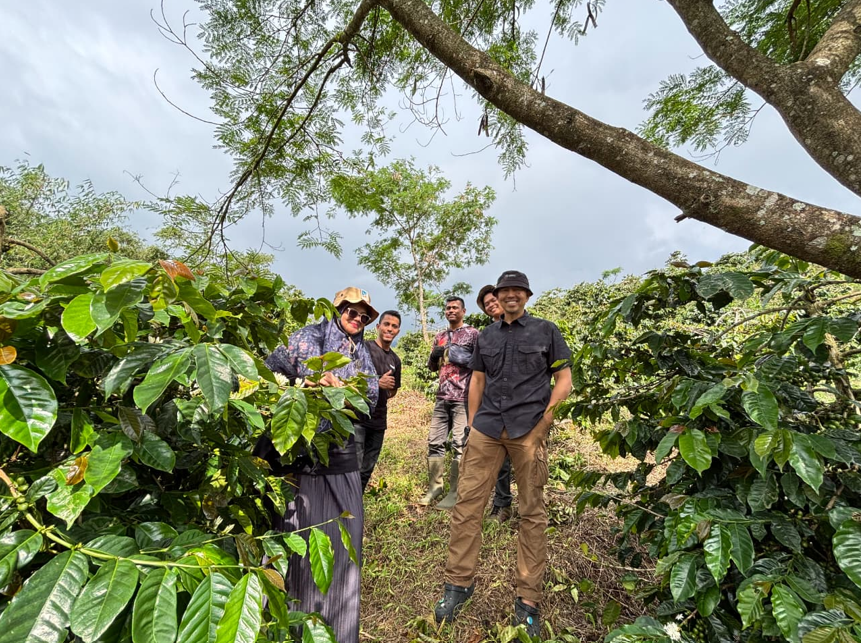
SiNergi Research Team of PPNP and CERI Visits Tanmudo Arabica Coffee Estate in Solok Regency, West Sumatra
Read More