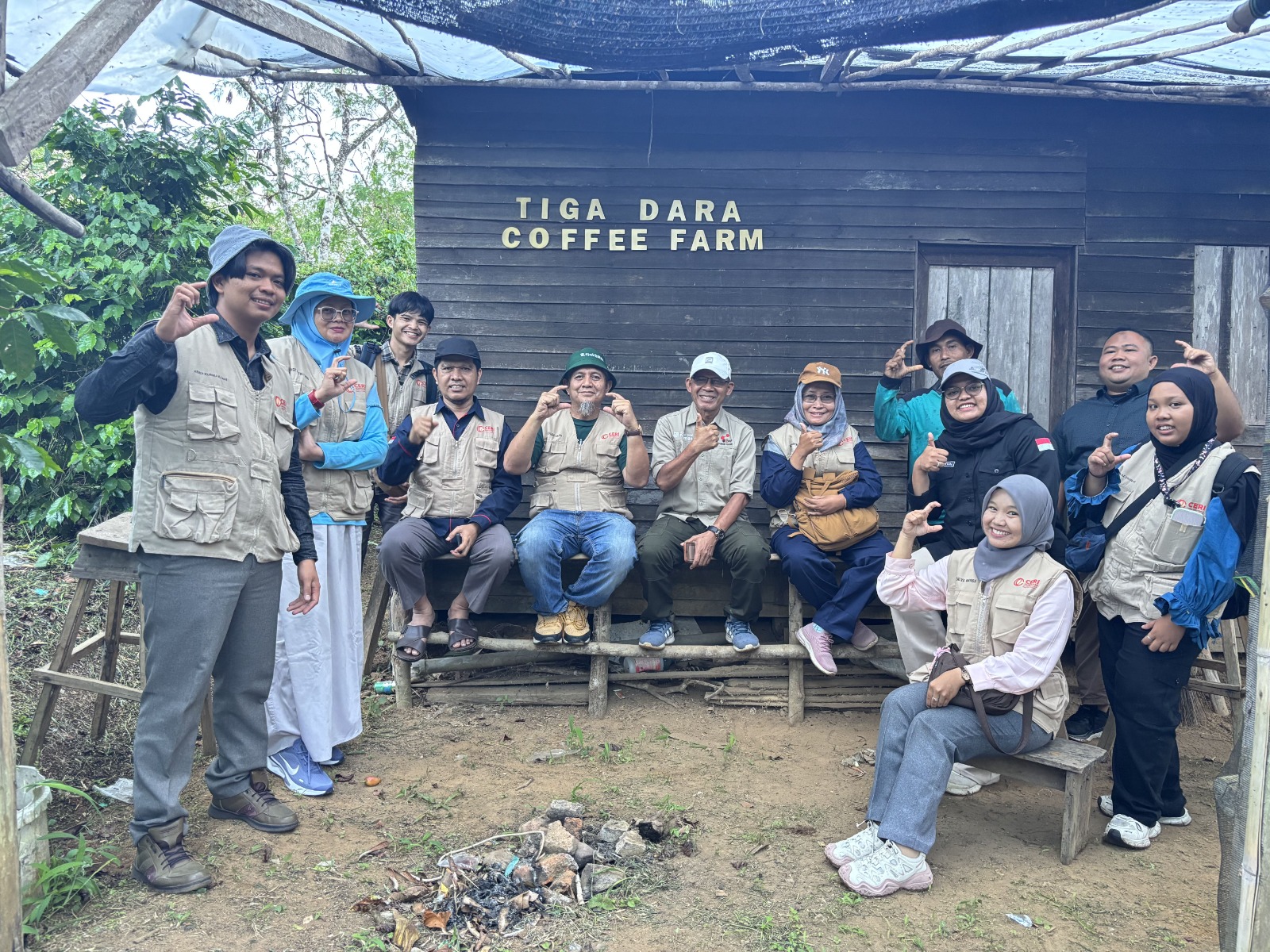
EcoTrace: A New Trail of Healthy Coffee Research from the Payakumbuh State Agricultural Polytechnic and CERI ARKA Nusantara
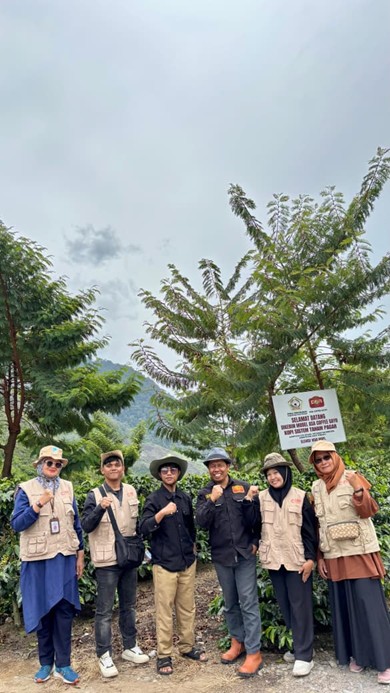
Payakumbuh Beritasumbar.com, – From the Gayo highlands of North Sumatra and the Minangkabau region to the Kerinci Valley, the aroma of Sumatran Arabica coffee holds a long story of nature, culture, and the struggles of farmers. Now, that story continues with research that seeks to elevate Sumatran coffee to a higher level: healthy, transparent, and globally competitive.
Through the SINERGI research downstreaming program, a research team from the Politeknik Pertanian Negeri Payakumbuh, Universitas Andalas, Universitas Negeri Padang, works within the CERI ARKA Nusantara Foundation (Coffee Education Research Institute) under the leadership of Prof. Rince Alfia Fadri, who carries the ARKA (Antioxidant, Low Acrylamide, Natural Coffee) EcoTrace concept, with a Circular Economy and Blockchain pattern, to develop specialty Arabica coffee that is low in acrylamide and high in antioxidants.
Why is Coffee Healthy?
Sumatran Arabica coffee is renowned worldwide for its complex flavors, ranging from floral to fruity to spicy. However, uncontrolled roasting can produce undesirable compounds, including carcinogenic Maillard reactions. On the other hand, coffee is also rich in antioxidants and other bioactive compounds that offer health benefits.
This is both a challenge and an opportunity. "We want to find a way to maintain delicious coffee while also being low in acrylamide and high in antioxidants. Global consumers now demand coffee that's not only delicious, but also healthy and transparent," explained Prof. Rince Alfia Fadri.
ARKA EcoTrace: From Garden to Cup
The EcoTrace concept combines two main pillars:
- Circular Economy (Eco): every stage of coffee production applies environmentally friendly principles, energy efficiency, and the utilization of waste (coffee skin, fermentation water) as organic fertilizer or animal feed.
- Blockchain (Trace): Each coffee bean's origin can be traced through a QR code. Consumers can learn about the farm location, coffee variety, post-harvest methods, roasting process, and even laboratory test results for antioxidant and bioactive compound content.
In this way, Sumatran coffee is not only present as a drink, but also as a complete story from the garden, to the laboratory, to the cup.
Exploring the Sumatran Coffee Center
To support this research, the team received full support from various parties collecting coffee samples from various leading Arabica centers:
- Takengon Gayo and Bener Meriah (Aceh)
- Simalungun, Toba, and South Tapanuli (North Sumatra)
- Kerinci (Jambi)
- West Sumatra (Solok, Agam, and other Minang coffee areas)
The samples were analyzed to determine their antioxidant and other bioactive compounds, as well as to map the risk of acrylamide formation during roasting. The results of this study will form the basis for developing post-harvest protocols and a more environmentally friendly and healthy roasting process.
Furthermore, the team is also developing a blockchain traceability system. Through QR codes, consumers will be able to trace the coffee's origins: who the farmer is, where the plantation is located, the post-harvest process, and even the results of quality tests related to acrylamide and antioxidants.
The circular economy is also implemented at the production level, where coffee skin waste, fermentation water, and coffee grounds are reused as organic fertilizer, biomass energy, or other raw materials, making the production chain more efficient and reducing waste.
Hope for the Future
According to Prof. Rince, this research isn't just about the laboratory. "We want to create a healthy coffee business model that can be adopted by MSMEs and farmers. EcoTrace adds value while also addressing global market demands for healthy, sustainable, and transparent products," he said.
Going forward, this research will be further developed through downstream product development, producing specialty Arabica coffee with low acrylamide and high antioxidants on a pilot scale. Patents and branding will strengthen the identity of Sumatra's healthy coffee with a registered trademark and business model replication will expand EcoTrace implementation to other coffee regions in Indonesia.
Research and Market Optimism
The EcoTrace-based healthy coffee research innovation has not only received a welcome from academics and the government, but also received full support from coffee entrepreneurs in various regions in Sumatra.
Big names such as ASA Coffee, Depotroe Coffee, Putra Tani Berkarya Cooperative, Baburrayan Cooperative, Saabas Coffee, Filo Coffee, Tabo Coffee, ALKO, HT, Solok Radjo Coffee, Palito Organic Coffee, Lasi Reborn Coffee and Fianda Coffee Roastery. This research also received support from Pebriyansah as Deputy Chairman of the West Sumatra Chamber of Commerce and Industry who expressed his readiness to be part of the Sumatran healthy coffee movement. Prof. Surip Mawardi, as a "coffee master" and Indonesian coffee expert and principal coffee researcher also gave full support to EcoTrace-based healthy coffee research, while emphasizing the importance of traceability innovation for the competitiveness of Sumatran coffee in the global market.
"This research is crucial because it paves the way for Sumatran coffee to achieve new standards. With EcoTrace, our coffee isn't just about taste, but also about guaranteed health, transparency, and sustainability," said Dedi Ikhwani, S.P., M.Si., owner of Depotroe.
Moch. Charis, Operations Manager at the BQ Baburrayyan Cooperative, and ASA Coffee entrepreneur Armiyadi, Master of Gayo Coffee, also emphasized that transparency through blockchain will add significant value to marketing. "Foreign markets are always asking about the origin of coffee. With a QR code, consumers can find out who the farmer is, where the plantation is located, and how it was processed. That's a very valuable story."
According to Suryono, CEO of ALKO Sumatra Kopi, ALKO is collaborating with platforms like QThink-X to provide a traceability dashboard that can be used by buyers, consumers, and also the farming community. Data such as photos/videos of gardens, certificates, agricultural practices, and quality testing are available. The concept of traceability according to ALKO emphasizes that traceability is not only limited to tracking product movement, but is an integrated information system capable of documenting the origin, process, and distribution of a product. In ALKO's view, traceability is divided into two main levels, namely internal traceability, which focuses on tracing within one organization, and chain traceability, which involves traceability across actors along the supply chain.
This concept is also relevant to the development of a circular economy, which emphasizes the principles of reduce, reuse, recycle, and remanufacture in resource management. A circular economy demands transparency and comprehensive information regarding a product's life cycle, from the raw materials used and the production process to its potential reuse after the product is no longer in use.
This collective support is proof that the CERI ARKA NUSANTARA downstream research program is not just academic work, but a joint movement to elevate the reputation of Sumatran coffee in the global market.
For farmers and MSMEs, this program offers new hope. "If our coffee can be traced and proven healthy, it will increase prices and consumer confidence," said a farmer from Kerinci.
With the support of cross-campus research and the implementation of a circular economy, Sumatran coffee is expected to penetrate the global market not only for its taste, but also for its scientific innovation, transparency, and sustainability.
Expectations from Academics
"EcoTrace is proof that research doesn't stop in the laboratory. We want to create a healthy coffee business model that can be adopted by MSMEs and farmers. EcoTrace adds value while also addressing global market demands for healthy, sustainable, and transparent products," explained Prof. Rince Alfia Fadri, along with his team of Prof. Novizar, Prof. Edi Syafri, Dr. Mimi Harni, Dr. Mulianti, Rifly Arifansyah, Sherlya Wanda, and Fina Firdiyanti, among others.
Going forward, this research will enter the downstream phase to produce specialty Arabica coffee with low acrylamide and high antioxidants on a pilot scale, register a patent, and launch the healthy Sumatra coffee trademark ARK (Antioxidant, Low Acrylamide, Natural Coffee). Digital branding and storytelling strategies highlighting the coffee's origins will be used to penetrate the global premium market.
With the involvement of academics, government, farmers, MSMEs, and exporters, Sumatran coffee is expected to penetrate the international market not only for its taste, but also for its scientific innovation, transparency, and sustainability.
Related Articles
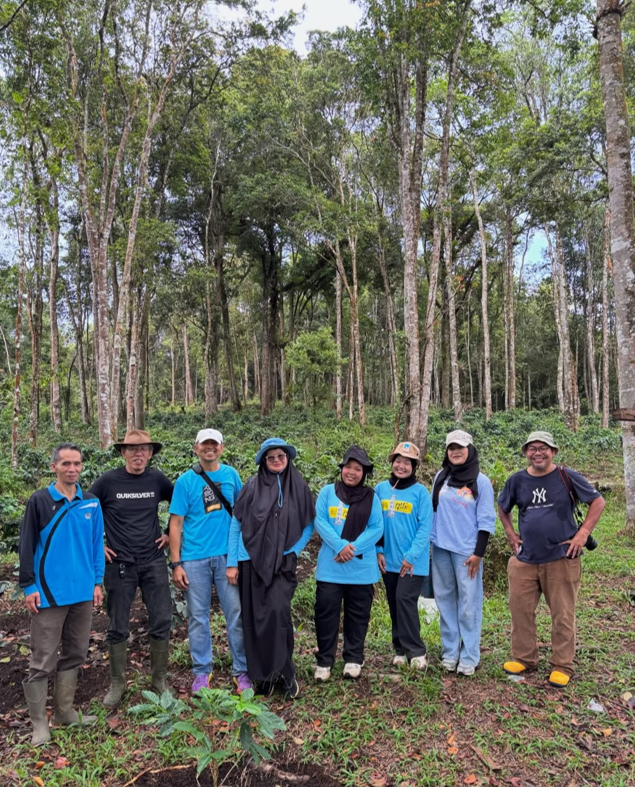
SiNergi Research Team of PPNP and CERI Studies Agroforestry-Based Coffee Development at Beranda Coffee & Roastery
Read More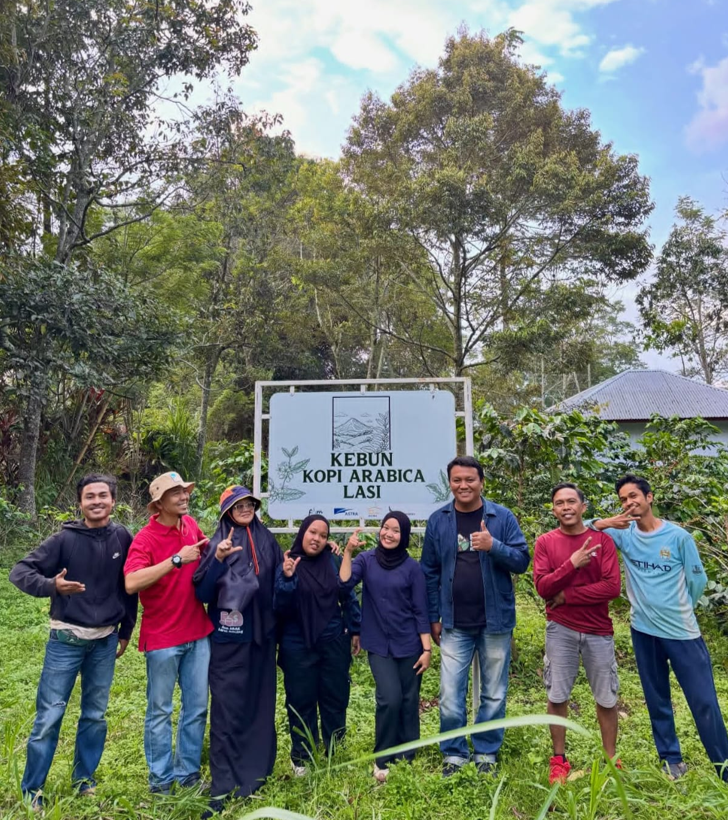
SiNergi Research Team of PPNP and CERI Visits Lasi Reborn: Young Generation Revives Coffee Cultivation in Nagari Lasi
Read More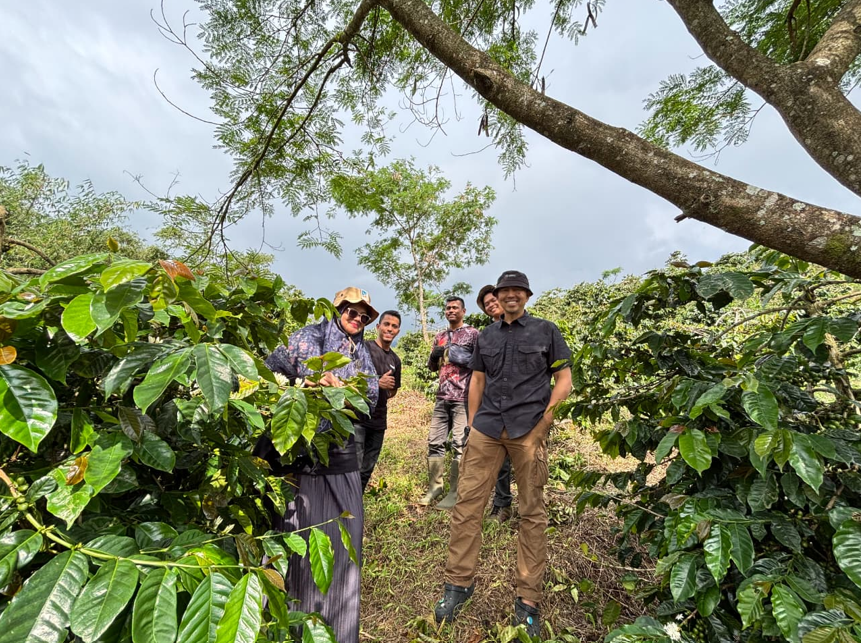
SiNergi Research Team of PPNP and CERI Visits Tanmudo Arabica Coffee Estate in Solok Regency, West Sumatra
Read More